
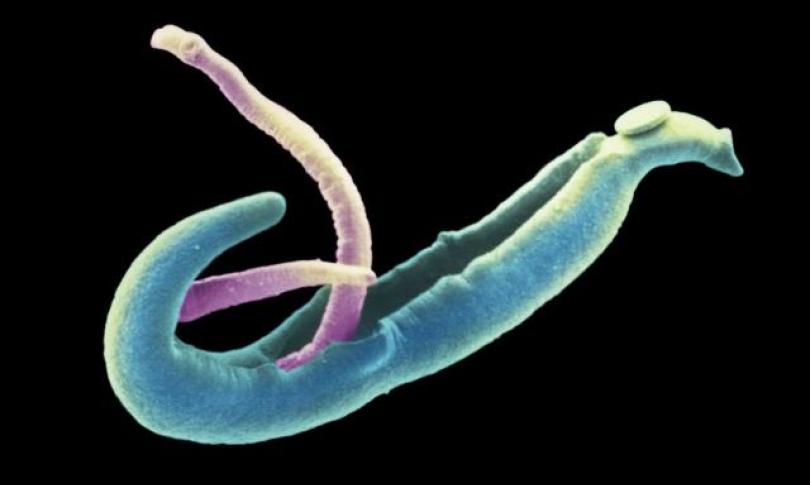
For generations, the Kakum River has sustained life in communities across Ghana's Central Region. It irrigates farms, provides water for household chores, connects families living on opposite banks, and offers children a place to play.
Yet beneath its life-giving currents lies a hidden threat—one fuelled by poor sanitation and open defecation.
For many children living along the river, swimming is more than recreation; it is part of everyday life. But these same activities increase their exposure to schistosomiasis, a neglected tropical disease caused by parasitic worms transmitted through contaminated freshwater.
According to the World Health Organization (WHO), people become infected when larval forms of the parasite, released by freshwater snails, penetrate the skin during routine agricultural, domestic and recreational activities in contaminated water. School-aged children are particularly vulnerable because of behaviours such as swimming, fishing and playing in infested water bodies.
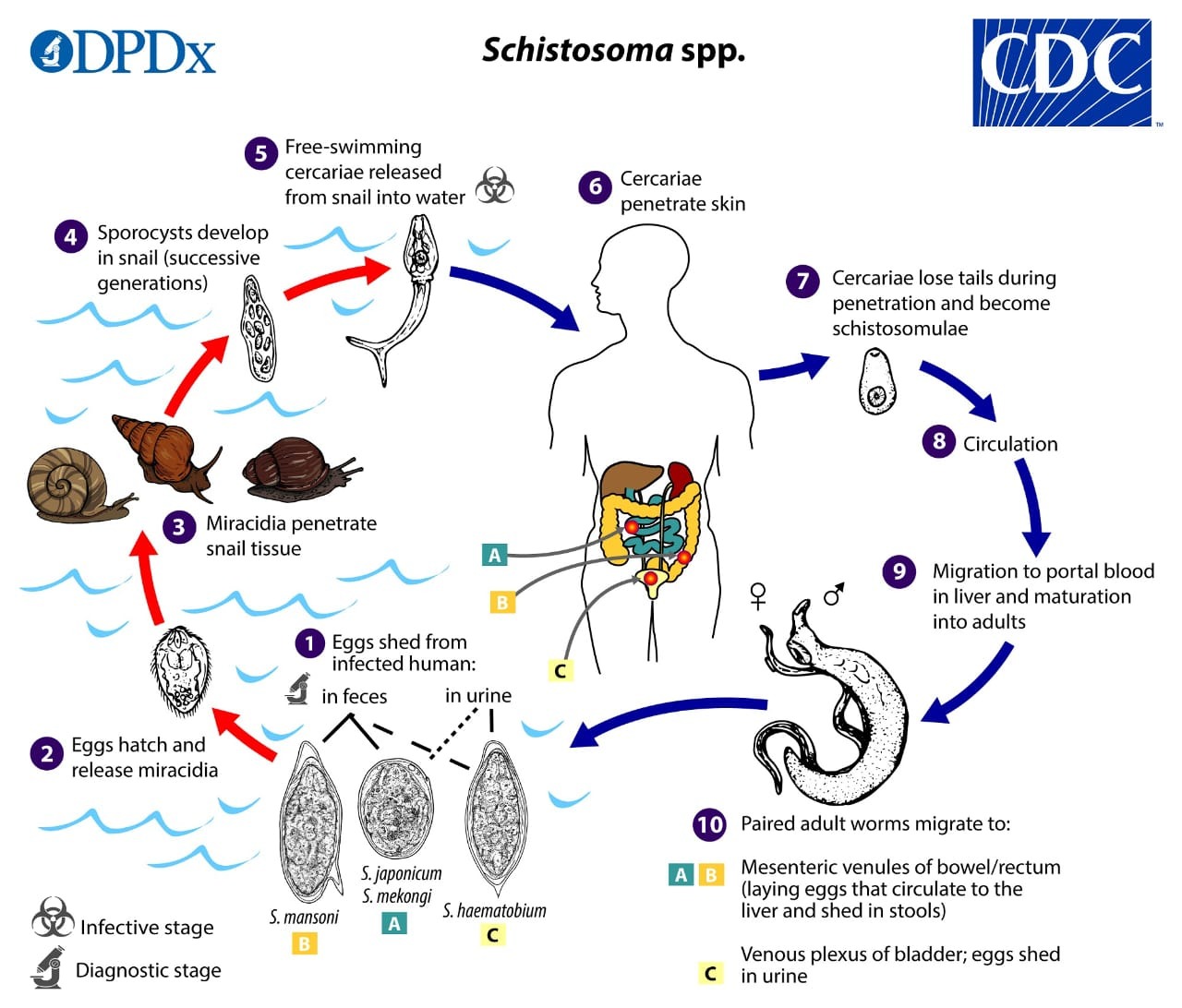
Researchers at the Biomedical and Clinical Research Centre (BCRC) of the University of Cape Coast say the parasite's life cycle is deeply intertwined with these daily realities.
Infected individuals release parasite eggs through urine or faeces into freshwater. The eggs hatch into larvae that infect freshwater snails, which serve as intermediate hosts. The snails then release another larval stage into the water capable of penetrating human skin during activities such as swimming, bathing, washing clothes or simply crossing the river. Once inside the body, the parasites mature and can damage organs over time.
Experts say the disease manifests differently depending on the species involved. Although several species of schistosomes exist, the two that account for most human infections in sub-Saharan Africa are Schistosoma haematobium, which causes urogenital schistosomiasis, and Schistosoma mansoni, which causes intestinal schistosomiasis.
Samuel Kyei, Director of the Biomedical and Clinical Research Centre at the University of Cape Coast, said the hallmark symptom of urogenital schistosomiasis is haematuria—blood in the urine.
In advanced stages, the disease can lead to kidney damage, bladder complications and an increased risk of bladder cancer.
"In women, Female Genital Schistosomiasis may present as genital lesions, vaginal bleeding, pain during sexual intercourse, menstrual disorders and infertility," Prof. Kyei said. "FGS has also been associated with increased vulnerability to HIV infection."
Yet misconceptions about the disease persist.
During community engagements, some residents described blood in urine not as a warning sign of illness but as a sign of transition into adulthood.
"We grew up believing that when a boy starts urinating blood, it means he has become a man," said Akua Afful, a resident of Esuekyir, one of the communities along the Kakum River. "People don't always see it as sickness. Some even celebrate it because they think it is part of puberty."
Another resident added:
"Many of us never questioned it because that is what we were told growing up."
Such beliefs illustrate why awareness campaigns and drug distribution alone may not be enough.
Addressing schistosomiasis requires an understanding of community realities, livelihoods and aspirations. People continue to interact with the river not because they disregard the risks, but because the river remains central to their survival and identity.
Kwame Kumi-Asare, a co-author of a study published in Pathogens (MDPI), said the research team observed repeated infections in communities along the Kakum River despite national control efforts.
"These reinfections continue to occur even after nationwide Mass Drug Administration exercises," he said.
With support from Good Neighbors Ghana, BCRC is implementing an integrated schistosomiasis and Female Genital Schistosomiasis control project in five communities along the Kakum river.
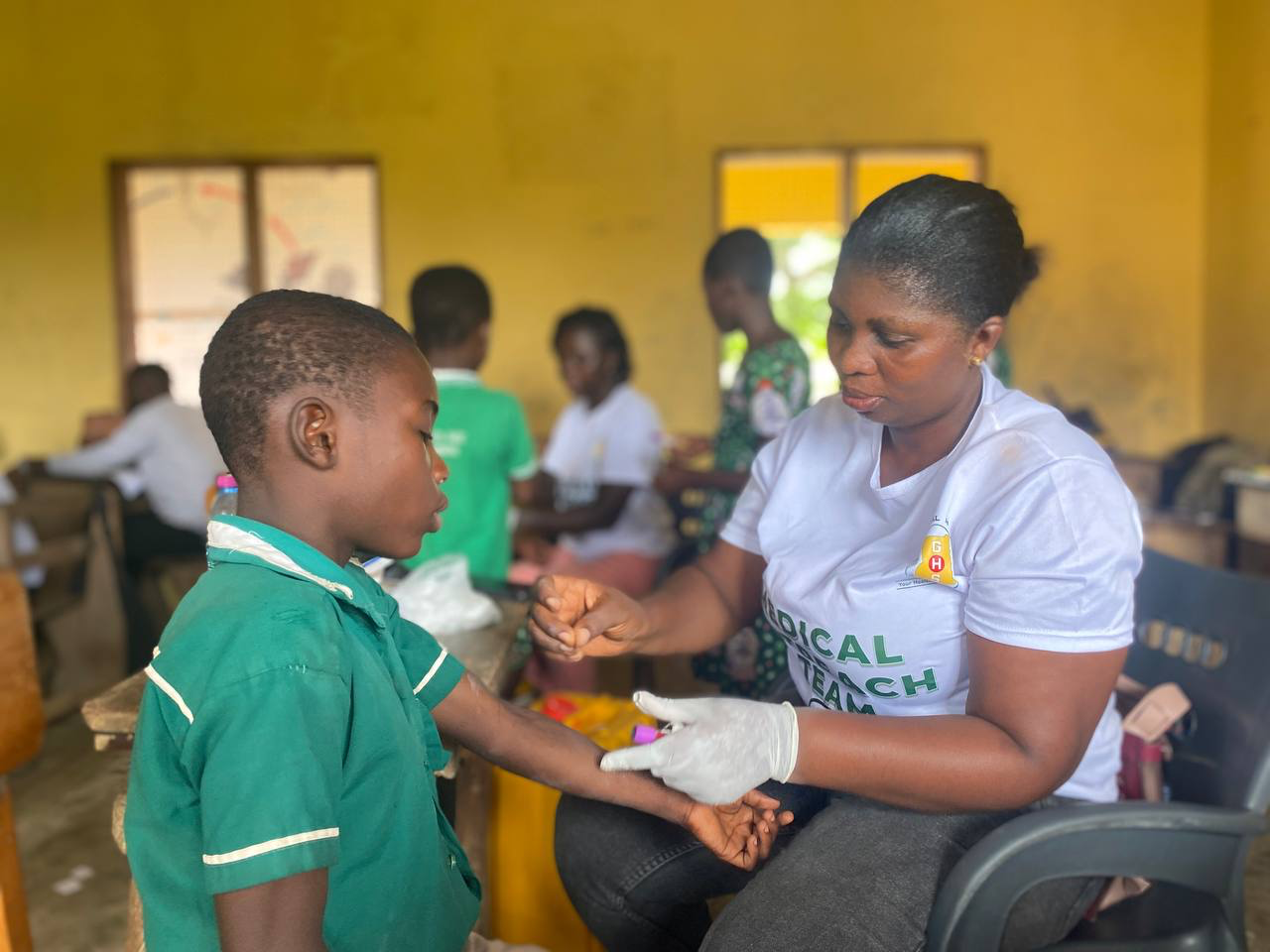
The initiative has already undertaken community entry activities, stakeholder consultations, school engagements and screening exercises ahead of the first round of praziquantel treatment.
But researchers soon encountered a challenge more complex than they had anticipated.
"We realised very quickly that this is not simply a health issue," Kumi-Asare said. "It is intertwined with livelihoods, education, gender, water access, sanitation, culture and local governance."
"You cannot solve schistosomiasis by treating it as an isolated health problem. The complexity of the issue requires multiple sectors—and communities themselves—to work together."
During field visits, researchers and community health workers observed children swimming and bathing in the river. Families crossed through the water to reach farms and visit relatives, while poor sanitation along the riverbanks continued to create conditions that sustain transmission.
For Prof. Kyei, these observations reflect a broader shift in the purpose of science.
"There has been a shift in the way we think about science and communities," he said. "Research should not remain confined to laboratories and academic journals."
"We want the gown of the laboratory to robe our communities. Scientific knowledge must enter people's everyday lives, listen to their experiences, and work with them to find solutions that improve health and wellbeing."
That philosophy is shaping the project's next phase, placing communities at the centre of decision-making through public engagement approaches that value local knowledge alongside scientific expertise.
Community members are being invited to identify high-risk areas along the river, document environmental challenges, discuss local beliefs and co-design practical solutions that fit their circumstances.
The Kakum River continues to sustain the communities that depend on it. The challenge now is ensuring that the same river no longer serves as a pathway for a preventable disease.
Lasting change will require more than medicine.
It will demand trust, dialogue, improved sanitation, community ownership and collective action.
Only then can children continue to learn, play and thrive—free from the hidden burden carried by the waters they call home.