
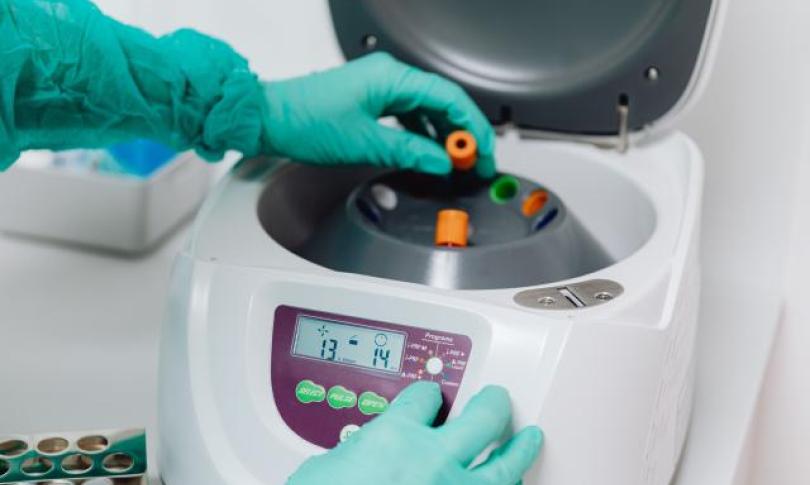
For years, the 51-year-old woman’s medical reports offered a clean bill of health. Despite a harrowing family history—two brothers living with Type 2 diabetes and a father who died from its complications—her laboratory results for hemoglobin A1C, the gold standard for monitoring blood sugar, consistently returned as "normal".
To her doctors, she was the exception to her family’s genetic legacy. In reality, she was a casualty of a diagnostic blind spot that experts say may be masking a massive, undiagnosed diabetes epidemic across Ghana and sub-Saharan Africa.
“I thought I’m the outlier on this, only for the doctor to tell me it’s the same thing that has haunted us for decades, " says Juliana Koomson, not her real name.
The discrepancy was only discovered when a private reference laboratory in Accra upgraded its equipment. The new system, utilising High-Performance Liquid Chromatography (HPLC), flagged a "variant detected" message that older tests had ignored and proved as normal. The woman didn't just have high blood sugar; she carried the hemoglobin AC trait, a genetic variant present in roughly one out of every four people in the local population in Ghana.
"In our population, the sickle cell trait is a double-edged sword," says Elikem Kumahor, a chemical pathologist whose recent study into these diagnostic gaps has sparked fresh alarm. "It evolved as a protective mutation against malaria, but today, it is acting as a screen that hides diabetes from our most common tests".
The science of the blind spot
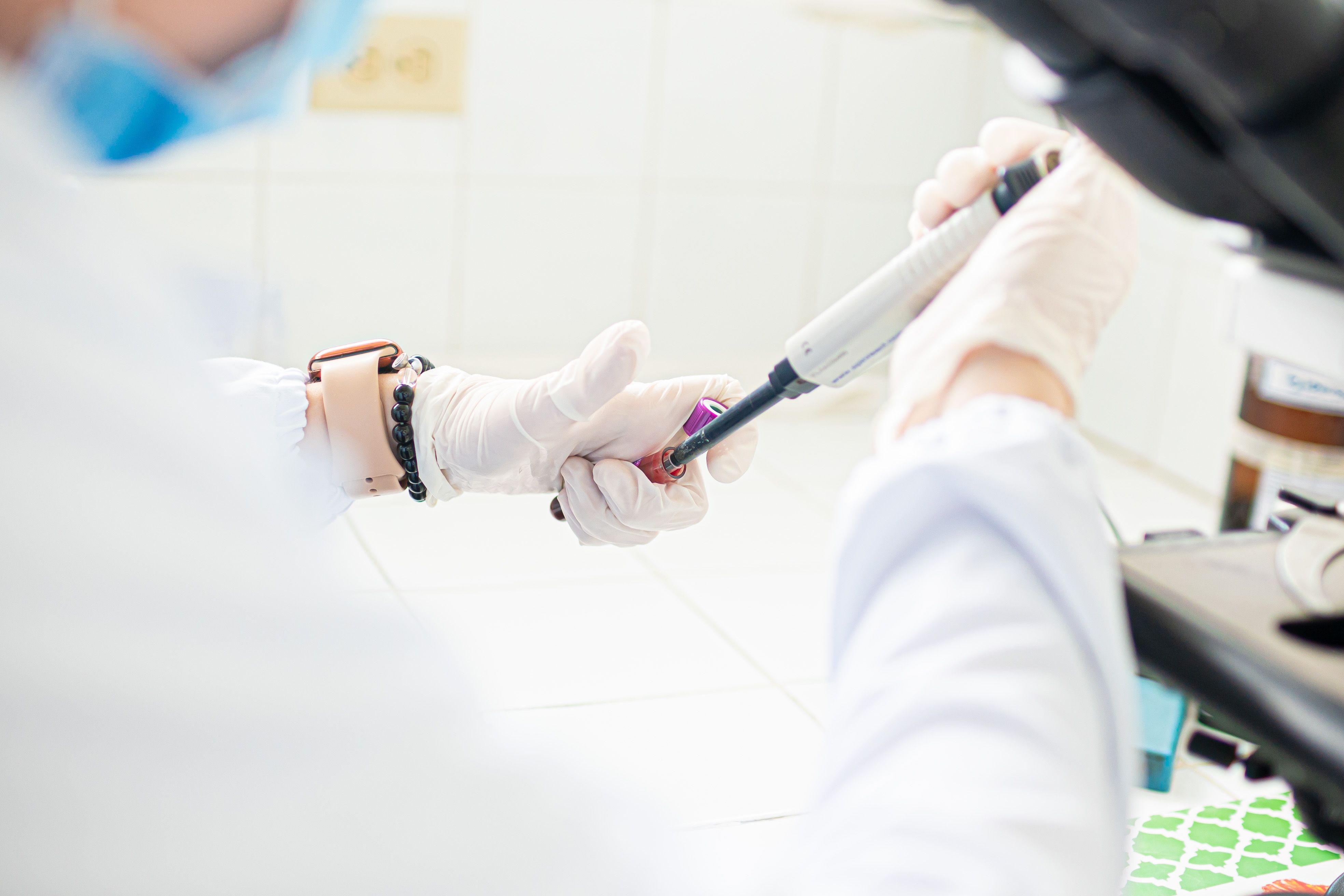
The HbA1c test measures the percentage of blood sugar attached to hemoglobin in the human body. However, most standard testing kits—specifically those using immunoassays—were designed and standardised for populations with "normal" hemoglobin AA, typically found in Europe and North America.
In carriers of the sickle cell trait (genotypes AS or AC), the standard immunoassay can underestimate glucose concentrations. For a patient on the precipice of a health crisis, the test might show they are "doing well" when their actual blood sugar levels are dangerously high.
"It’s like buying a luxury designer dress that isn't your size," Elikem explains. "The immunoassay method is world-standard and affordable, but it wasn't sized for our biology. If we cannot accurately gauge sugar levels, we cannot up the dose of medication or intervene before it’s too late".
A continental challenge and how to fit it
The scale of the problem with underdiagnosis extends far beyond Ghana. According to the World Health Organization (WHO), Africa is the region with the highest percentage of undiagnosed diabetes, with an estimated 54% of people living with the condition unaware of their status. While the WHO’s Essential Diagnostics List emphasises the need for localised testing, the infrastructure often lags behind. While research labs can measure alternative markers like fructosamine—which is not affected by hemoglobin variants—these tests often lack the clinical validation required for life-or-death medical decisions. Experts say the reliance on imported, non-validated testing kits complicates matters.
Paul Sekyere Nyantekyir, the co-author of the study and the technical advisory committee member of the nation’s Food and Drugs Authority, the body that oversees regulatory and enforcement of policies on food and drugs on previous submission recognises the crucial need for accurate and reliable test results in Ghana.
The call for policy shift and "homegrown solutions"
The 51-year-old "index patient" is now managing her condition through diet and exercise, a success story that only began because a technician noticed a "variant" warning on a screen. But for millions of others, the warning never comes. Experts are worried, there is no explicit in-vitro diagnostic policy in place to guide the types and quality of clinical tests that are being run in the country. Without this regulatory framework, there are no standardised rules governing which kits can be used. They’re calling for a shift in national health policy on a mandatory genotype screening to ensure patients know if they carry the AS or AC trait so that doctors can interpret A1C results with caution.
"Clinical validation is a deeper level of quality," says Elikem. "Because diagnosis is a life-and-death issue, you must prove accuracy and precision against established centers before you can move from research to the clinic. Currently, we lack those validated homegrown systems".
In-Vitro Diagnostic (IVD) policy and regulatory framework is to be enforced by the Ghana’s Food and Drugs Authority (FDA) under the Public Health Act, 2012 (Act 851). It requires mandatory product registration, risk-based classification (Class A to D), and technical documentation before any IVD can be imported or sold. Unfortunately, there’s little or no explicit rules for the IVD products, hence most test kits are imported from abroad, and business interests often take precedence over patient care. Importers may choose the cheapest available kits—for example, from China—to maximize profit, even if those kits are of lower quality than more expensive or locally produced alternatives.
"We have the expertise; we just need the drive from policymakers," Elikem argues. "Why import everything from overseas when we can develop homegrown solutions that are contextualised to our own blood? We can no longer ignore the reality of who we are".
As diabetes rates continue to climb across the continent, the message from the lab is clear: the tools used to fight the disease must be as diverse as the people they are meant to save.
Reference: https://posters.myadlm.org/adlm/2026/adlm-2026/4216047/elikem.kumahor.the.hidden.burden.of.diabetes.mellitus.impact.of.sickle.cell.html?f=listing%3D0%2Abrowseby%3D8%2Asortby%3D1%2Aspeaker%3D1124444%2Asearch%3Dhba1c