
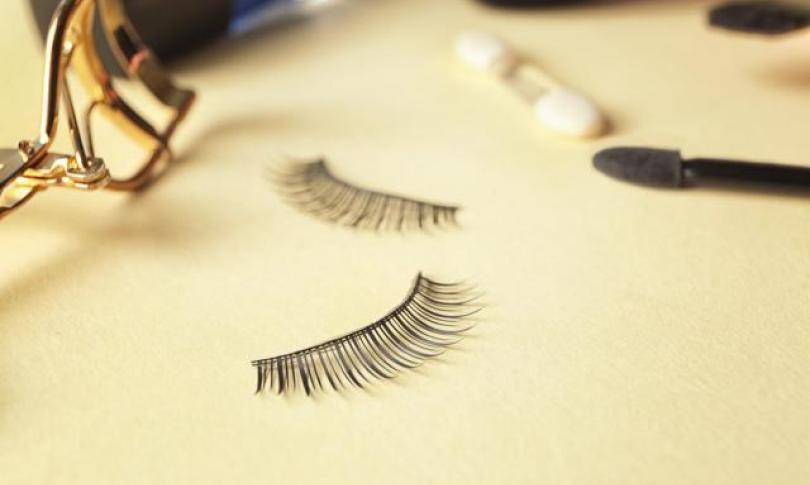
For many young women today, eyelash extensions are not just a beauty add-on. They provide a confidence boost and save time; they are increasingly part of everyday style. But a new study among young women in Ghana suggests that this popular trend might come with a hidden cost to eye health.
At Rapha Eye Care Center in Cape Coast, Ghana, clinicians report that about four out of every ten dry-eye -related cases among women in 2025 were linked to eyelash extensions. What used to be an occasional complaint connected to special ceremonies—such as weddings or birthday photo shoots—has now become the norm. A study published in the peer-reviewed journal Cornea offers clinical data that support what eye specialists are noticing in their clinics.
The lead author, Samuel Kyei, an optometrist and vision scientist at the University of Cape Coast, found that young women who regularly wear eyelash extensions have much higher rates of ocular surface disease than those who do not. Ocular surface disease refers to conditions affecting the front of the eye and inner eyelids, which can lead to dryness, irritation, and blurred vision.
“This is not just about feeling uncomfortable,” Kyei says. “We measured real, physical changes in the eye that are strongly linked to wearing eyelash extensions.”
The study examined 416 female university students aged 18 to 29. Half regularly wore eyelash extensions, while the others had never used them. All participants answered questions about eye symptoms and beauty habits, then underwent detailed eye exams.
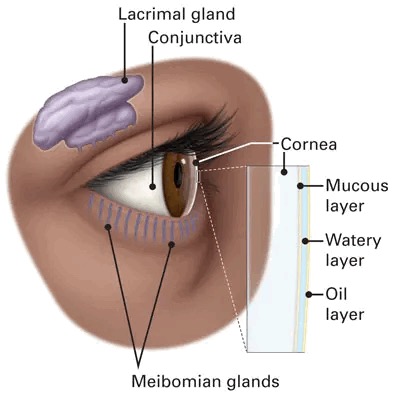
One important test measured tear break-up time—the number of seconds it takes for the thin layer of tears covering the eye to start breaking apart after a blink. A healthy tear film keeps the eye smooth, clear, and protected. When it breaks apart too quickly, the eye dries out. In simple terms, most users’ eyes were drying out much faster than normal.
Clinicians say they’ve noticed more lash and eyelid issues among extension wearers: flakes at the lash base, lashes growing in the wrong direction, and lash loss due to repeated pulling and weight. Many also had inflammation of the eyelids and dysfunction of the meibomian glands—tiny oil-producing glands that prevent tears from evaporating too quickly.
“These extensions are not passive,” co-author Randy Asiamah explains. “They add weight to the lashes, change how the eyelids move, and place chemical adhesives very close to the eye. Over time, that can disrupt the eye’s natural defenses.”
The adhesives raise concerns too. Many contain acrylates, chemicals known to cause irritation or allergic reactions.
In Ghana, cosmetics are regulated by the Food and Drugs Authority under the Public Health Act, 851 with safety standards set by the Ghana Standards Authority. However, the use of these adhesives has surged recently due to increased market demand. Researchers are calling for stricter enforcement, especially against adhesives that might contain harmful substances like formalin.
In the study, most users were unaware of the products being applied to their eyes. Nearly 70 percent could not name the adhesive used, and almost half claimed they followed no aftercare routine at all.
For some students, the warning signs were easy to overlook. Lydia Jones, an extension wearer, mentioned that she often had watery and irritated eyes but thought it was “just part of wearing lashes.” “I didn’t think it meant something was wrong,” she said. “They make me feel put together, even on days when I’m tired or not wearing makeup.”
This emotional connection helps explain why the trend continues despite health risks. Almost 40 percent of users in the study said they would keep wearing extensions even if eye problems arose.
Cosmetologists recognize both the appeal and the risks. Lena Koomson, a salon owner in Osu, Accra’s busy “nightlife” district, states that eyelash extensions have become a daily beauty staple for many women. “People wear them to work, to school—everywhere,” she says. “They save time and make clients feel confident.”
But technique and maintenance matter, she adds. “Extensions should be changed every two weeks. Some people keep them until they fall off. By then, dirt and bacteria can accumulate, and that’s when problems start.”
Eye specialists say the findings reflect a global trend. Paa Kwesi Fynn Hope, lead optometrist at Rapha Eye Care Center, points out a steady increase in young patients with dry eyes linked to cosmetic habits. “This study is important because it shows actual damage, not just complaints,” he says.
The eyes, long associated with beauty, are also delicate organs designed for constant protection and balance. The new evidence suggests that enhancing their appearance may, if done carelessly, disrupt the very system that allows them to see clearly in the first place.
Kyei stresses that the goal is not to discourage self-expression. “Beauty practices evolve faster than health education,” he says. “People just need to understand the biological trade-offs.”