
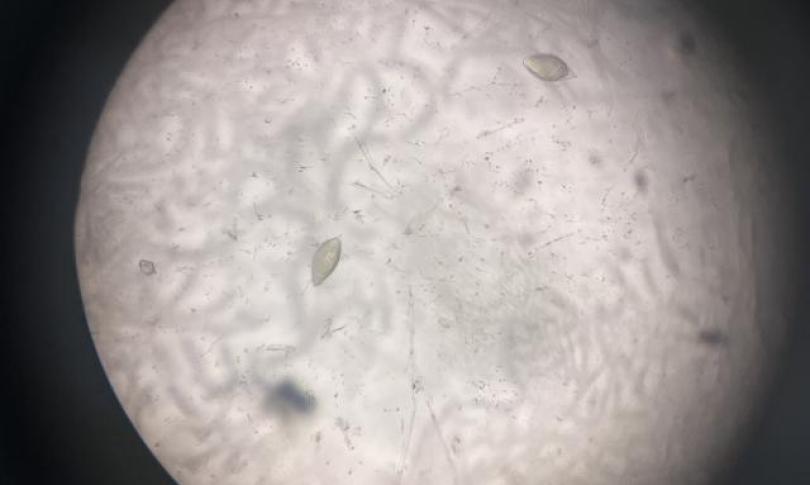
For the first time in her life, a 56-year-old Auntie Afua from Tsetekasum, one of the communities along the Kakum River in the Central Region of Ghana described symptoms she had hidden for nearly a decade: blood in her urine, pelvic pain, discomfort during intimacy. She believed the illness would eventually take her life, and that she would die without ever speaking its name.
Her story emerged during a community conversation hosted by the University of Cape Coast's Biomedical and Clinical Research Centre as part of its schistosomiasis project. In that space, researchers described the symptoms of female genital schistosomiasis (FGS) using language that deeply resonated with the women's own lived realities. "When they described those things, I started crying. Not because I was sad—because someone finally saw me," she said.
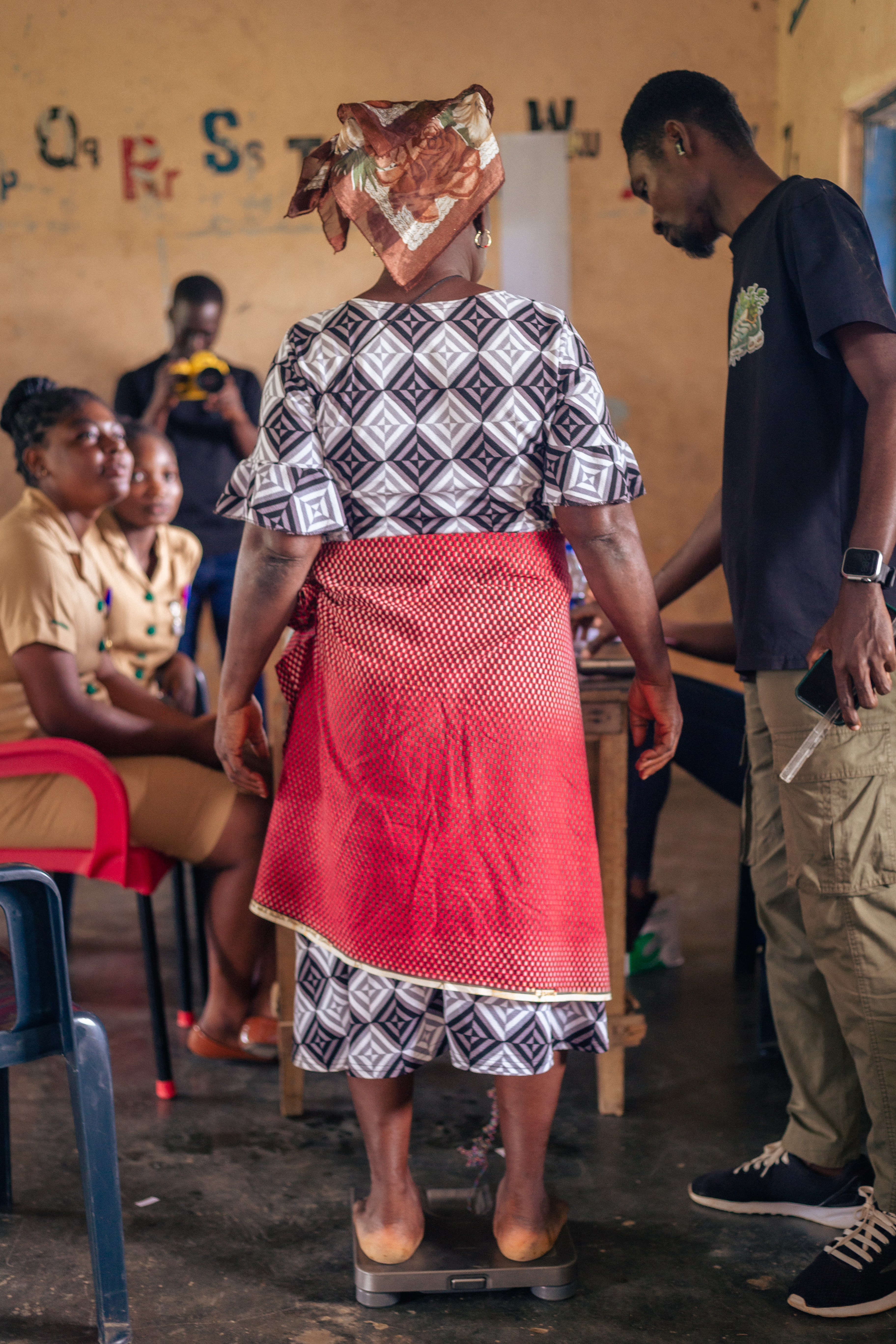
FGS remains one of the most underdiagnosed manifestations of schistosomiasis. Globally, an estimated 20 to 56 million women and girls in Africa may be living with the condition, yet symptoms are routinely mistaken for sexually transmitted infections or other gynaecological disorders. In Ghana, where schistosomiasis is endemic across large rural areas, the silence is compounded by stigma that reads vaginal bleeding as moral failure. “If you say you are bleeding, they look at you as if you have done something wrong,” Afua explained. “So I kept it inside. I waited for it to finish me.”
The stigma around symptoms that suggest sexual activity or promiscuity ensures that disclosure is dangerous. Young girls internalise shame before they have language for what they feel. The burden, then, is not merely parasitic but structural, gendered, and perpetuated by health systems that seldom ask the right questions.
Experts say, women are treated for ailments they do not have, repeatedly, while parasitic eggs lodged in the reproductive tract sustain a quiet, chronic inflammation that erodes tissue, fertility, and hope.
Researchers at the BCRC said they are responding with a deliberate strategy: community screenings led by trained nurses, colposcopy referrals where clinically indicated, and facilitated spaces where women can share experiences without judgment. Project Lead Prof. Samuel Kyei frames it as a methodological shift: "We are not just looking for the parasite. We are learning to listen to the women who have lived with its consequences."
The technical lead of the project, Akwasi Anyanful, says this is only the beginning. As more women come forward, their narratives will feed directly into surveillance tools, clinical training materials, and community engagement strategies—ensuring that the next woman who sees blood does not think she is already dead.
Praziquantel, the drug used in mass treatment campaigns, kills the adult worm but cannot reverse years of undiagnosed genital damage, nor can it erase the psychosocial scars of having suffered in silence. Mustapha Amoadu, the public health expert on the project, says: "The psychosocial scars of enduring this for all these years, in addition to the genital scars, will remain." What finally broke Afua's silence was not a diagnostic tool but a different kind of intervention: researchers who arrived in her community not only with ultrasound probes but with the intention to listen.